
Renewed tensions involving the United States and Iran have once again placed energy markets and investors on edge.
Oil prices have risen in response to concerns about supply disruptions, but analysts say uncertainty itself may be the larger threat to the global economy.
Markets Are Pricing Risk, Not Just Oil
Oil prices tend to react quickly to geopolitical shocks, particularly when events involve the Middle East, a region that plays a major role in global energy production.
Recent tensions have pushed crude prices higher as traders assess the possibility of disruptions to supply and shipping routes.
But history shows that markets often adjust to temporary spikes in energy prices. What investors struggle with is uncertainty over how long instability could last.
Why Duration Matters More Than Headlines
Short-lived conflicts can cause brief volatility without fundamentally altering economic conditions.
A prolonged period of instability, however, can have broader consequences.
Sustained increases in oil prices can:
- Raise transportation costs.
- Increase inflationary pressures.
- Push up manufacturing expenses.
- Reduce consumer spending power.
- Complicate central bank decisions.
Analysts have warned that a prolonged disruption could push crude prices toward $100 a barrel and add upward pressure to global inflation.
Central Banks Could Face New Challenges
Many central banks are already balancing concerns about slowing economic growth and stubborn inflation.
A persistent increase in energy prices could make that balancing act more difficult.
Higher fuel costs can feed through to food prices, transportation, and a wide range of goods and services, creating what economists sometimes describe as an inflation shock.
That could affect interest rate decisions in major economies.
Why Markets Watch the Strait of Hormuz So Closely
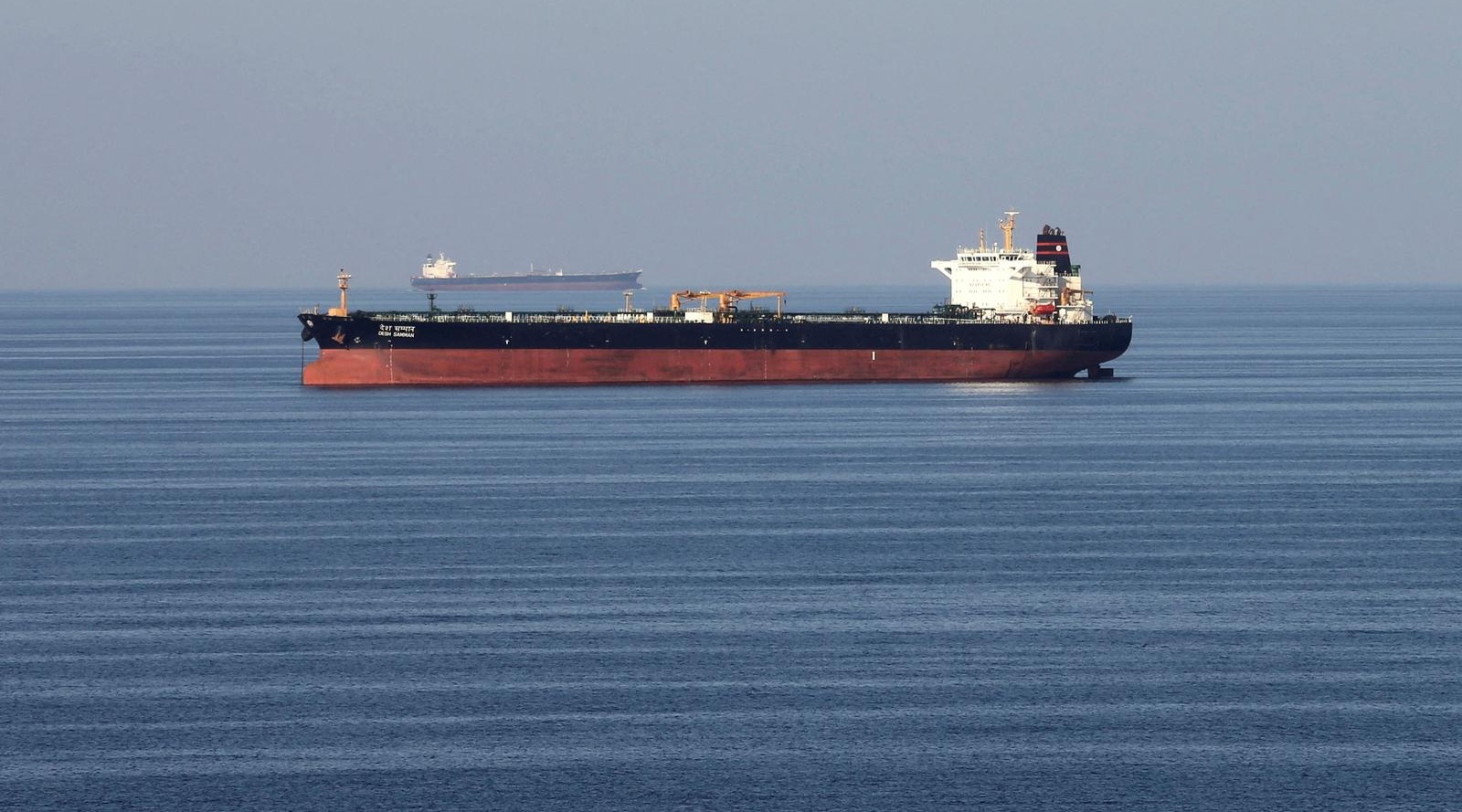
Investors are paying particular attention to the Strait of Hormuz, one of the world's most important energy chokepoints.
Any threat to the movement of oil through the region can influence expectations about global supply and increase volatility across commodity and financial markets.
The Bigger Story Is Confidence
The immediate impact of geopolitical tensions is often visible in oil prices.
The longer-term effect is harder to measure.
Businesses delay investment, consumers become more cautious, and financial markets become more sensitive to unexpected developments.
For investors, the greatest risk may not be a temporary jump in energy prices. It is the possibility that uncertainty itself becomes persistent.
That is why markets are watching not only oil prices, but also whether the conflict shows signs of escalation or eventual de-escalation.