
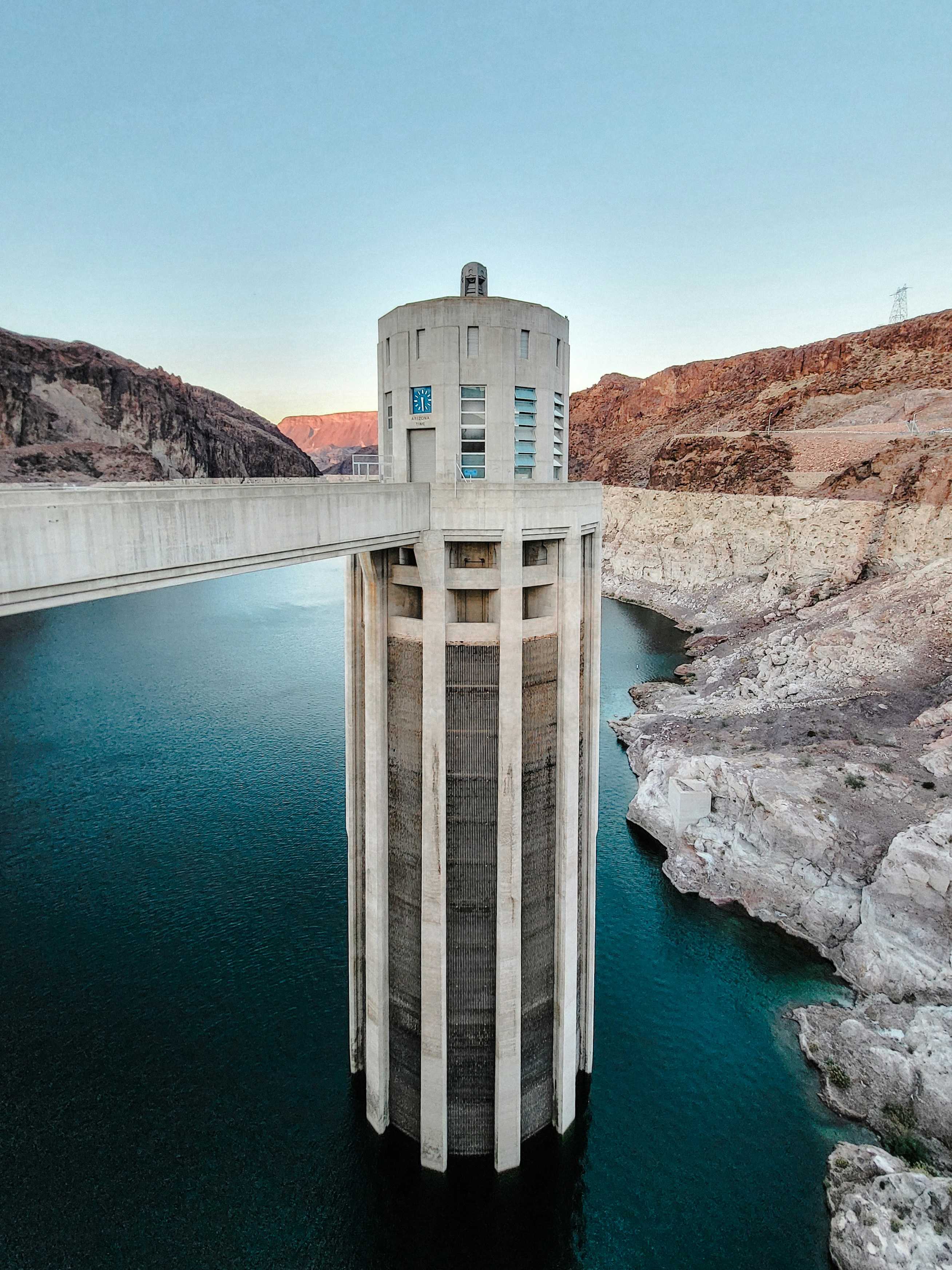
For much of modern history, competition over oil, gas, and other energy resources shaped global politics. Today, water security is increasingly joining that list. Growing populations, climate pressures, urban expansion, and rising industrial demand are placing freshwater resources under unprecedented strain, making water management a strategic issue for governments worldwide.
Quick Answer
Water security is becoming a major geopolitical challenge because freshwater supports agriculture, food production, energy generation, manufacturing, public health, and economic growth. Climate change, population growth, and rising demand are increasing pressure on rivers, reservoirs, and groundwater supplies, making water management a critical issue for long-term stability and development.
In Brief
- Freshwater is essential for food, energy, industry, and public health.
- Climate change is increasing drought risks and altering rainfall patterns.
- Agriculture remains the largest consumer of freshwater globally.
- Shared rivers and water systems can create cross-border tensions.
- Water security increasingly affects economic growth and political stability.
- Cooperation remains more common than conflict, but pressure is growing.
Key Takeaways
- Water security is becoming a strategic national priority.
- Climate change is increasing water stress in many regions.
- Food security depends heavily on reliable freshwater supplies.
- Shared rivers can create diplomatic challenges between countries.
- Energy systems rely heavily on water resources.
- Population growth continues to increase demand.
- Water scarcity can influence migration, poverty, and public health.
- International cooperation remains essential for managing shared resources.
Why Water Is Moving to the Center of Global Politics
Freshwater supports nearly every aspect of modern civilization. From growing food and generating electricity to supporting public health and manufacturing, reliable water supplies are fundamental to economic and social stability.
As demand rises and supplies become less predictable, governments are increasingly treating water security as an issue of national resilience rather than simply environmental management.
This shift reflects a broader recognition that access to freshwater affects economic competitiveness, infrastructure planning, and long-term development.
Climate Pressures Are Increasing Water Stress
Climate change is altering weather patterns and disrupting traditional water cycles.
Key impacts include:
- Reduced snowpack in many regions.
- More frequent and severe droughts.
- Lower river flows.
- Higher evaporation rates.
- Greater pressure on reservoirs and groundwater systems.
TwikUp recently examined these broader environmental trends in Climate Change Is Reshaping Global Development, highlighting how environmental pressures are increasingly influencing economic and political stability.
As water availability becomes less predictable, governments and communities face growing challenges in managing resources effectively.
Food Security Depends on Reliable Water Supplies
Agriculture accounts for the majority of global freshwater consumption, making water availability critical to food production.
When droughts or water shortages occur, the effects can ripple across economies through:
- Reduced crop yields.
- Lower livestock productivity.
- Higher food prices.
- Disrupted supply chains.
TwikUp recently explored these connections in Why Food Security Is Emerging as a Global Strategic Issue, where water management emerged as a key factor in maintaining resilient food systems.
As populations continue to grow, ensuring sufficient water for agriculture will become increasingly important.
Shared Rivers Are Creating Strategic Challenges
Many of the world's major rivers cross international borders, meaning multiple countries depend on the same water systems.
This can create disputes over:
- Dam construction.
- Irrigation projects.
- Water allocation.
- Hydroelectric development.
While international agreements often help manage these shared resources, increasing scarcity may place additional pressure on diplomatic relationships.
Experts generally agree that cooperation remains more common than conflict, but effective governance will become increasingly important as demand rises.
Water and Energy Security Are Closely Linked
Water plays a critical role in energy production.
Hydropower facilities depend directly on river flows, while many industrial and power-generation processes require substantial quantities of water for cooling and operations.
This connection means that water shortages can affect:
- Electricity generation.
- Industrial output.
- Economic productivity.
- Infrastructure reliability.
TwikUp has previously explored how strategic resources influence global competition in Why Critical Minerals Are Becoming the New Oil. Water is increasingly joining the list of resources that governments view through a strategic lens.
Why Water Security Matters Beyond the Environment
Water scarcity is no longer viewed solely as an environmental concern.
Its impacts extend across multiple areas:
| Area | Potential Impact |
|---|---|
| Agriculture | Lower crop production |
| Food Security | Higher food prices |
| Public Health | Reduced access to clean water |
| Energy Systems | Lower generation capacity |
| Economic Growth | Reduced industrial productivity |
| Migration | Population displacement pressures |
| Political Stability | Increased social and policy challenges |
Because water influences so many sectors simultaneously, it is increasingly viewed as a core development issue.
Population Growth Is Increasing Demand
Global population growth and rapid urbanization continue to increase pressure on freshwater systems.
Growing cities require:
- Safe drinking water.
- Sanitation infrastructure.
- Industrial water supplies.
- Reliable food production systems.
Meeting these needs will require significant investment in infrastructure, technology, and resource management.
The challenge is not simply securing more water but using existing supplies more efficiently.
What This Means for Governments and Communities
The growing importance of water security is reshaping policy discussions around development, infrastructure, and resilience.
Governments are increasingly focused on:
- Long-term water planning.
- Climate adaptation strategies.
- Infrastructure modernization.
- Resource efficiency.
- Cross-border cooperation.
TwikUp recently explored similar shifts in global priorities through From Growth to Geopolitics: How the G7 Is Changing, where resilience and resource security emerged as major themes.
For communities, businesses, and policymakers, water management is becoming a central component of long-term planning.
Future Outlook
Water is expected to remain one of the most important strategic issues of the coming decades.
Key trends to watch include:
- Increasing climate-related water stress.
- Greater investment in water infrastructure.
- Expanding demand from growing populations.
- Technological innovation in water management.
- Increased international cooperation over shared resources.
While large-scale water conflicts remain unlikely in most regions, the ability to manage water effectively may become a defining factor in economic stability and sustainable development.
FAQ: Water Security
Why is water becoming a geopolitical issue?
Water is becoming a geopolitical issue because climate change, population growth, and rising demand are increasing pressure on freshwater resources that support economies, food systems, and public health.
Could countries go to war over water?
Most experts believe cooperation is more common than conflict. However, water scarcity can increase diplomatic tensions, particularly in regions that share rivers and water systems.
How does water affect food security?
Agriculture relies heavily on freshwater. Water shortages can reduce crop yields, affect livestock production, and contribute to higher food prices.
Is climate change making water shortages worse?
Yes. Rising temperatures, altered rainfall patterns, and more frequent droughts are increasing water stress in many parts of the world.
Why is water important for economic growth?
Water supports agriculture, manufacturing, energy production, public health, and infrastructure, making it essential for economic development.
How does water affect energy production?
Hydropower generation, industrial operations, and many power plants depend on reliable water supplies for production and cooling.
Why are governments paying more attention to water security?
Governments increasingly view water as a strategic resource because shortages can affect economic stability, public health, food production, and national resilience.
Related Perspectives
-
[Why Food Security Is Emerging as a Global Strategic Issue]https://twikup.ca/explainers/news-context/why-food-security-is-emerging-as-a-global-strategic-issue
-
Why This Year's G7 Summit Is About More Than Economic Growth
Sources
-
United Nations Water https://www.unwater.org/
-
UNESCO World Water Development Report https://www.unesco.org/reports/wwdr
-
World Bank, Water Security https://www.worldbank.org/en/topic/waterresourcesmanagement
-
World Resources Institute https://www.wri.org/
-
United Nations Environment Programme https://www.unep.org/
-
Food and Agriculture Organization of the United Nations https://www.fao.org/