
Key Takeaways
- Toronto's planned transit-oriented communities offer a combination of proposed housing, employment space and improved connections.
- Vancouver's Broadway Subway and Calgary's Green Line represent different investment timelines, so buyers should assess project schedules carefully.
- Property value potential depends on zoning, neighbourhood demand, development costs and actual transit accessibility, not simply distance from a station.
Why Transit-Oriented Development Matters to Canadian Property Investors
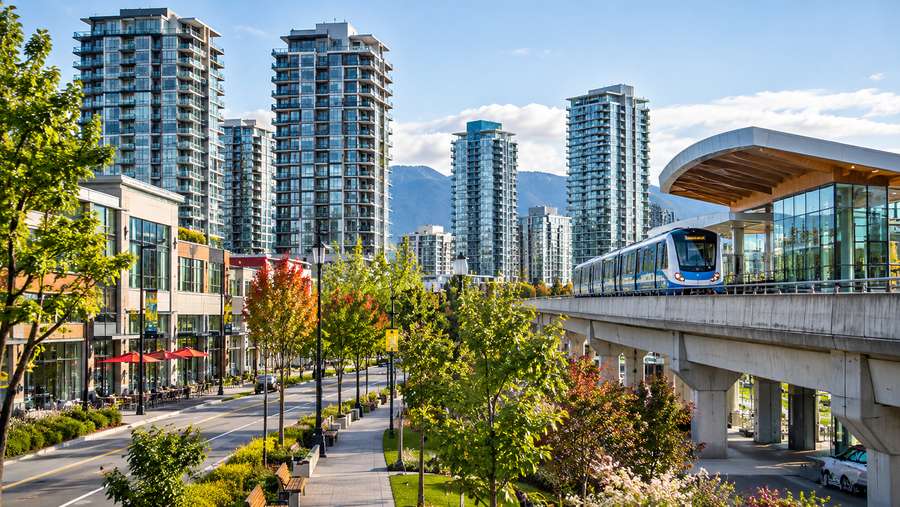
Transit-oriented development (TOD) refers to building residential, commercial and community spaces around public transportation hubs. The idea is straightforward: people can reach workplaces, shops, schools and services without depending entirely on a car.
For Canadian property investors, this approach can create opportunities in neighbourhoods where better connections are accompanied by new housing, employment and public amenities. However, buying near a proposed station is not automatically a profitable decision. Project timelines, local zoning and existing property prices matter just as much.
Which Canadian Neighbourhoods Could Attract Attention in 2027?
Toronto and the Greater Toronto Area
Ontario has one of Canada's most extensive transit-oriented community programmes. Planned developments are connected to major subway, GO and LRT projects.
East Harbour stands out because its proposal combines a major transit hub with approximately 4,000 homes and an employment centre expected to support more than 50,000 jobs. Other areas worth monitoring include Thorncliffe Park, Guildwood, Cooksville, Whitby and Oakville.
These locations have different development plans and approval stages. Buyers should check the latest municipal and provincial updates before treating proposed housing or transit connections as confirmed delivery.
Vancouver's Broadway Corridor
Vancouver's Broadway Subway is scheduled to open in 2027. The extension will add six underground stations along a corridor already associated with employment, healthcare and residential activity.
The project could improve access for residents and workers travelling through the area. Investors can examine properties around the new stations, but should compare current purchase prices with achievable rents, building condition and competing housing supply.
Calgary's Green Line Communities
Calgary's Green Line offers a longer-term development story. Its first phase includes 11 stations between Shepard and downtown, with construction beginning in 2025. The current project schedule points to an expected opening in 2031.
Station areas such as Quarry Park, Ogden, Lynnwood/Millican and Ramsay/Inglewood may attract attention as planning and construction progress. Investors should not price these locations as though the line will already be operating in 2027.
Can Better Transit Increase Property Values?
Improved transit can make a neighbourhood more convenient and attractive, particularly where it connects residents to major employment areas. It may also support higher-density housing, retail activity and redevelopment.
Canadian research, however, shows that the impact is not identical everywhere. A University of Waterloo study found that property-value effects around the region's LRT varied by station area and property type. Research on Toronto's King Street transit corridor also identified a relative price difference after transit-priority improvements.
These findings demonstrate a possible relationship, not a guaranteed return. The effect depends on the quality of service, local housing demand, land availability and what buyers have already priced into the market.
What Should Buyers Check Before Investing?
Start with the project's actual status. Separate operating transit from funded construction, approved plans and early proposals. Delays can change the timing of expected benefits. Next, review zoning and development permissions. A station may be nearby, but restrictive land-use rules can limit redevelopment. Check municipal planning documents for permitted density, building height and future community facilities.
Then assess the property itself. Compare purchase prices, rent levels, vacancy, maintenance costs, property taxes and nearby supply. A well-connected neighbourhood can still be a poor investment if the property is overpriced or expensive to operate.
Finally, consider the walking route. A property advertised as close to transit may have difficult crossings, poor sidewalks or limited station access. Actual travel convenience matters more than a simple distance measurement.
TwikUp's Perspective
Transit-oriented development deserves attention because it connects infrastructure planning with housing and employment growth. Yet the strongest opportunities may not always be beside the most heavily promoted station. They may emerge in areas where transit investment, realistic housing demand, sensible zoning and everyday amenities support one another.
Investors should compare each neighbourhood on its own merits rather than buying based on a future project announcement. For a broader view of rental demand, read TwikUp's guide to Canada rental property investment in 2027. Those considering Ontario locations can also explore our Ontario housing market forecast for 2027.
Disclaimer
This article is for general educational purposes and does not constitute financial, legal or real estate investment advice. Transit project schedules, planning approvals and development proposals can change. Verify current information with the relevant government, transit agency and municipality before making a property decision.