
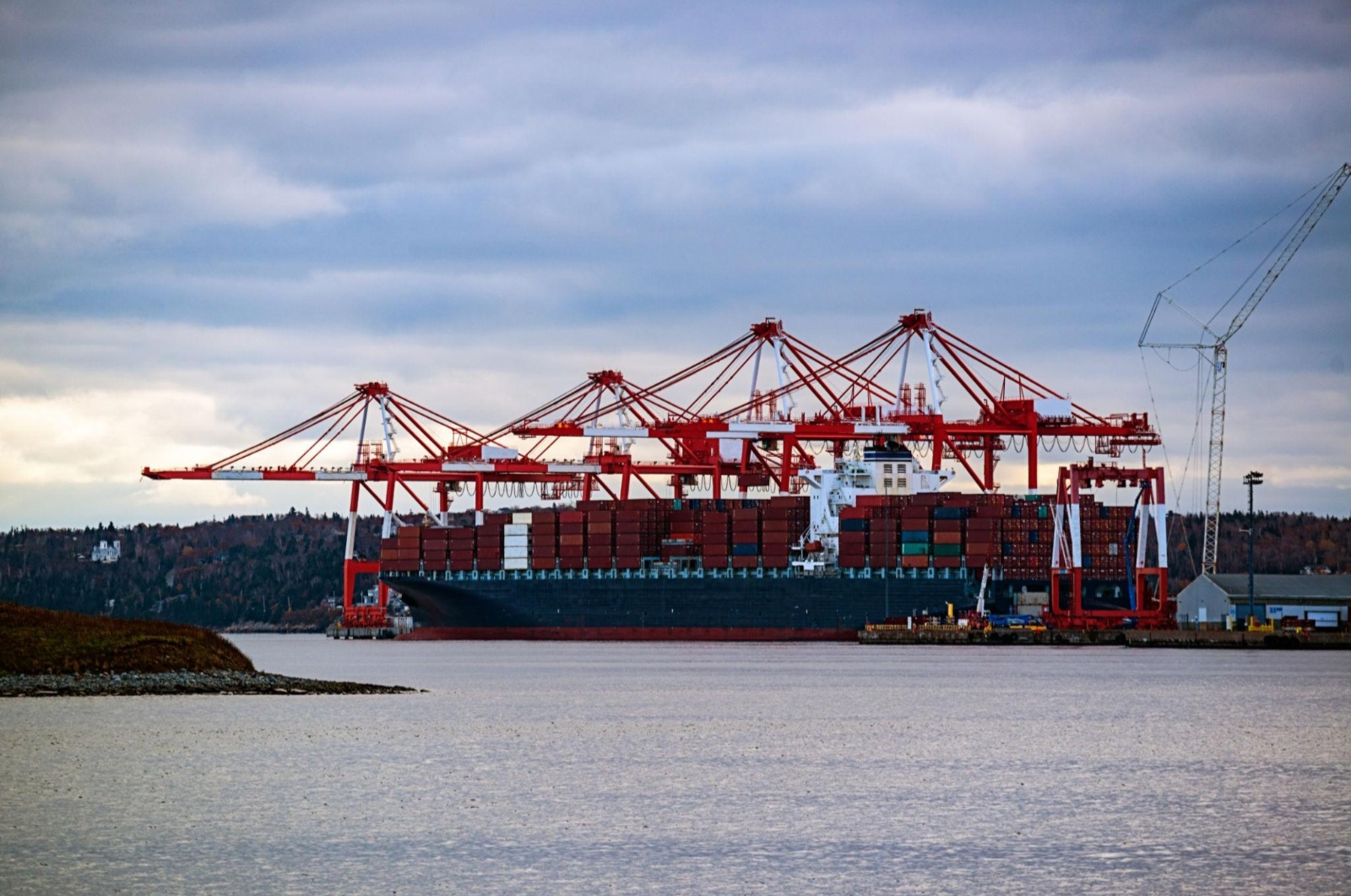
Canada's exports climbed to a record level in April, helping the country post its largest merchandise trade surplus in more than a year.
While the figures point to continued strength in Canada's export sector, they also reinforce a familiar reality. Much of that growth is still being driven by demand from the United States.
Record Exports Help Lift Trade Surplus
According to Statistics Canada, merchandise exports rose 1.6% in April to a record $75.2 billion.
Imports increased more modestly, rising 0.3% to $72.4 billion. That pushed Canada's trade surplus to $2.7 billion, up from $1.8 billion in March and the highest level since January 2025.
The April result marked Canada's second consecutive monthly trade surplus.
Energy Products Played a Major Role
Higher oil prices helped drive export growth.
Exports of energy products rose 9.7% during the month, building on another strong increase in March. Crude oil shipments increased 7%, while refined petroleum products also posted gains.
Growing geopolitical tensions and higher crude prices supported energy markets during the period.
The United States Remains Canada's Economic Engine
Exports to the United States increased 4.8% in April, marking the third consecutive monthly gain.
Vehicle shipments and crude oil exports contributed to the increase, helping widen Canada's merchandise trade surplus with the United States to $9.5 billion.
Despite efforts to diversify trade relationships, the United States continues to account for more than two-thirds of Canada's total trade activity.
The latest figures illustrate how closely Canada's economy remains tied to demand south of the border.
Other Sectors Also Posted Gains
The strength was not limited to energy.
Farm and food exports rose 8.9%, supported by increased wheat shipments to China.
Motor vehicle and parts exports increased 5.9%, reflecting stronger vehicle production.
Industrial machinery, aircraft equipment, and chemical products also recorded gains during the month.
Questions Remain About the Outlook
The strong April performance comes as economists continue to monitor energy prices, tariff uncertainty, and broader geopolitical risks.
Future North American trade negotiations and changing global conditions could influence export growth in the months ahead.
For now, the latest figures suggest Canada's export sector remains resilient, even as its dependence on the United States continues to shape the country's economic fortunes.
Related
-
What Happens If Canada Enters a Recession? https://twikup.ca/explainers/financial-explainers/what-happens-if-canada-enters-a-recession
-
What a Technical Recession Means for Canada as GDP Contracts for Two Straight Quarters https://twikup.ca/canada/economy/what-a-technical-recession-means-for-canada-as-gdp-contracts-for-two-straight-quarters
-
CUSMA Renewal Explained: Why Canada's 16-Year Push Matters https://twikup.ca/canada/economy/cusma-renewal-explained-why-canadas-16-year-push-matters
-
Inside Canada's Diplomatic Strategy for CUSMA Renewal https://twikup.ca/canada/economy/inside-canadas-diplomatic-strategy-for-cusma-renewal
-
CUSMA Renewal Risk: Sectors Facing the Biggest Exposure https://twikup.ca/canada/economy/cusma-renewal-risk-sectors-facing-the-biggest-exposure
-
Canada Faces Proposed 10% U.S. Tariff Under Trump Plan https://twikup.ca/world/economy/canada-faces-proposed-10-us-tariff-under-trump-plan
-
Canada Adds 87,800 Jobs as Unemployment Falls to 6.6% https://twikup.ca/canada/economy/canada-adds-87800-jobs-as-unemployment-falls-to-6-6
-
Where Are Canadian Home Prices Heading Next? https://twikup.ca/explainers/financial-explainers/where-are-canadian-home-prices-heading-next