
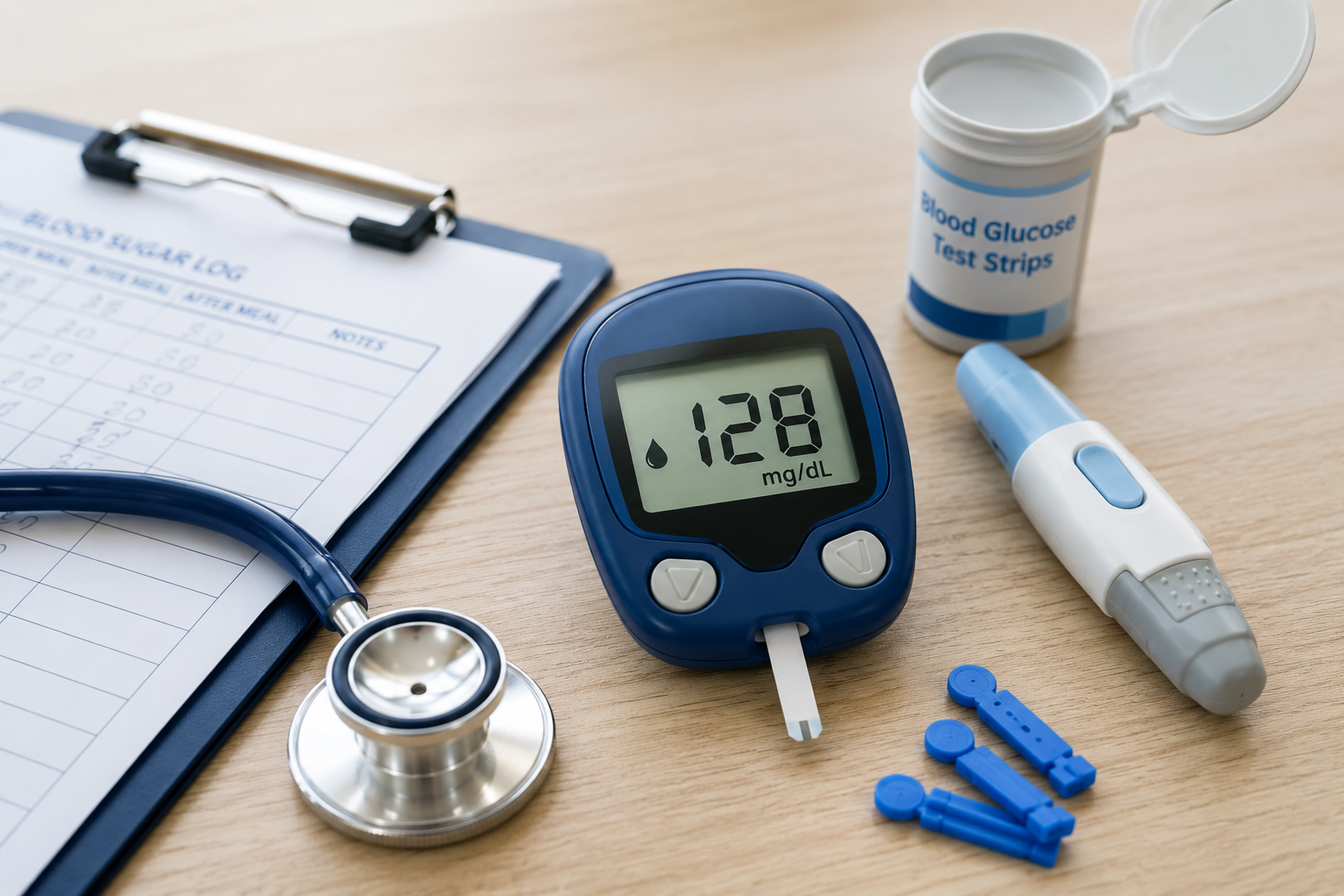
Diabetes is often associated with noticeable symptoms and dramatic changes in health.
However, type 2 diabetes can develop slowly, and many people may not realize they have the condition until it is discovered during routine blood tests or after complications begin to appear.
Why Diabetes Can Go Undetected
Unlike some illnesses that cause immediate symptoms, type 2 diabetes often progresses gradually.
As blood sugar levels rise over time, the body may adapt to the changes, making early symptoms easy to overlook or mistake for everyday fatigue or stress.
Because of this, some people are diagnosed years after the condition first develops.
Common Signs That Shouldn't Be Ignored
Although symptoms vary, warning signs may include:
- Increased thirst
- Frequent urination
- Unexplained weight loss
- Persistent fatigue
- Blurred vision
- Slow-healing cuts or wounds
Not everyone experiences symptoms, and some people may have none at all.
Why Early Detection Matters
When left untreated, diabetes can affect multiple organs and systems throughout the body.
Over time, uncontrolled blood sugar levels may increase the risk of:
- Heart disease
- Stroke
- Kidney disease
- Nerve damage
- Vision problems
Early diagnosis and treatment can help reduce these risks and improve long-term health outcomes.
Who May Be at Higher Risk
Several factors can increase the likelihood of developing type 2 diabetes.
These include:
- Family history
- Excess body weight
- Physical inactivity
- Increasing age
- High blood pressure
- Previous gestational diabetes
Having one or more risk factors does not mean a person will develop diabetes, but it may increase the importance of regular screening.
Why Routine Checkups Matter
Health experts emphasize that blood tests and routine medical checkups play an important role in identifying diabetes before serious complications occur.
Lifestyle changes, medications, and ongoing monitoring can help many people successfully manage the condition and maintain a good quality of life.
Understanding that diabetes may develop silently can encourage earlier conversations with healthcare professionals and support better long-term health.
Related Perspectives
Prediabetes explained
How blood sugar affects the body
Common myths about chronic diseases