
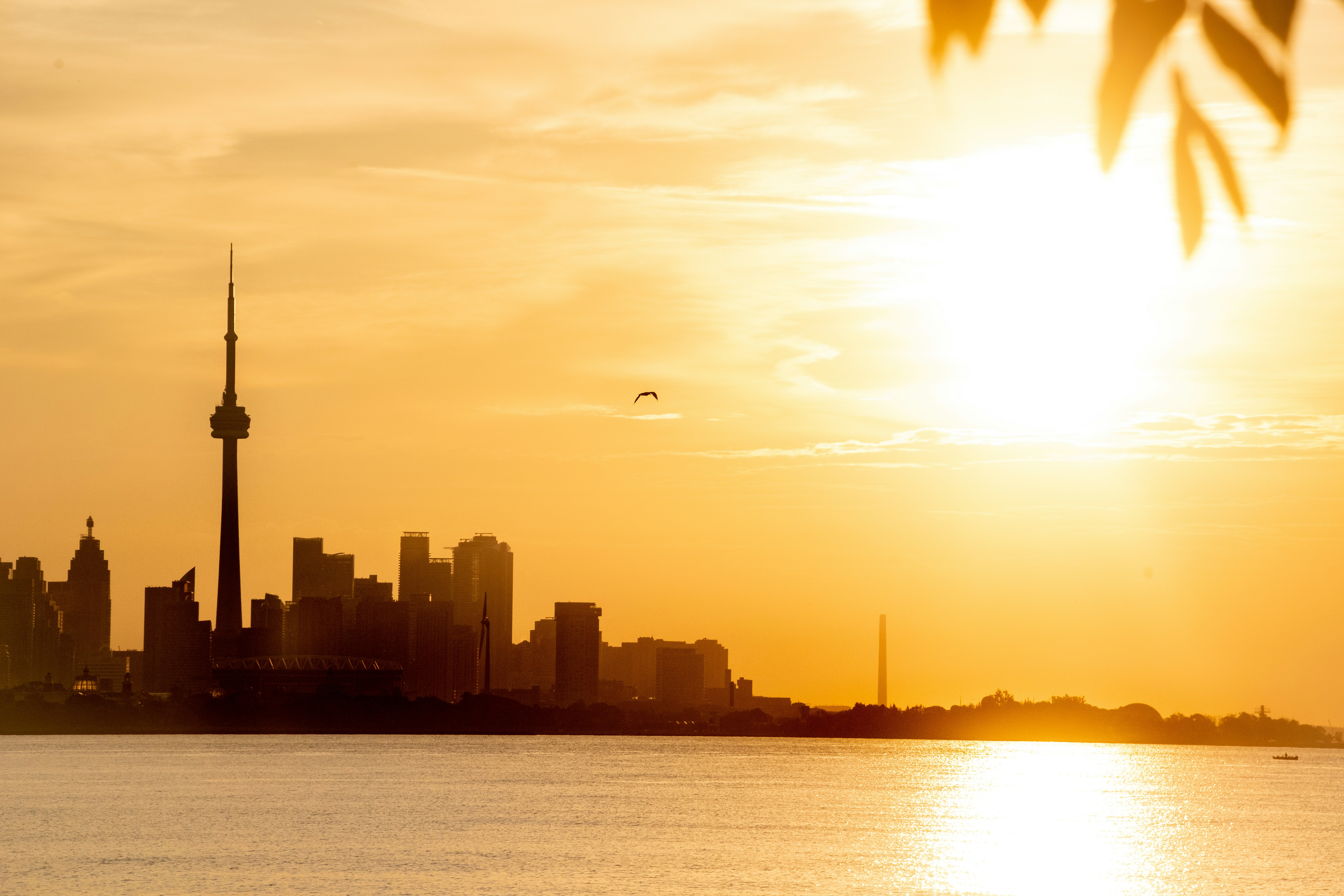
Canada is heading into a warmer-than-normal summer, and this time forecasters aren't hedging. Environment and Climate Change Canada released its official seasonal outlook on June 5, and the temperature map came back almost entirely shaded red, a nationwide signal that June, July, and August will trend above the 1991 to 2020 historical average.
After months of cold snaps, late frosts, and a spring that refused to arrive, the shift is coming fast. Heat warnings were already issued across the Prairies this week, with cities like Medicine Hat, Regina, and Winnipeg forecast to hit 36 to 38°C, temperatures some communities haven't seen since peak summer last year.
Warmest Signals Stretch From BC to Atlantic Canada
The federal outlook, which benchmarks expected conditions against a 30-year historical average, points to the strongest warm signals in British Columbia, Yukon, the mainland territories, the northern Prairies, and Atlantic Canada.
The outlook covers the full June to August window, suggesting the heat is not a brief early-season spike. Environment Canada senior climatologist David Phillips was direct: eight of the nine forecasting models he reviewed predicted warmer-than-normal conditions across eastern Canada, with only one outlier projecting cooler readings.
"Come Labour Day when we crunch the numbers, we'll say June, July, August were warmer than normal," Phillips said.
The Prairies saw the most abrupt transition. After widespread cold and snow through much of May, temperatures in parts of Western Canada are already climbing into the mid-to-high 30s. Phillips described the shift as a welcome arrival for "winter-weary Canadians," but warned it also sets the stage for a challenging season ahead.
El Niño Returns and Brings Complications
The heat forecast is not purely seasonal. A transition to El Niño conditions is expected to develop this summer and take full effect by late 2026.
El Niño occurs when surface water temperatures in the eastern tropical Pacific Ocean rise above average, disrupting atmospheric circulation and weather patterns across the globe. Its effects on Canada are well-documented:
- Warmer and drier conditions across much of the south and west
- Elevated wildfire risk, particularly in BC and the Prairies
- Potential impacts on food supply chains and energy systems
- Shifts in air quality tied to smoke and drought conditions
Canada's wildfire seasons in 2023 and 2025 were the worst on record, and the tech sector is now racing to close the gap. Read how investors and Ottawa are responding to the crisis.
Environment Canada's outlook flagged this directly. While above-normal precipitation in recent months has delayed early wildfire conditions in some regions, that buffer is expected to erode as summer heat builds.
Precipitation: The One Variable Nobody Can Pin Down
Temperature forecasts came with confidence. Precipitation did not.
Jennifer Smith, a national warning preparedness meteorologist with Environment and Climate Change Canada, said the data used for long-range rainfall predictions is "much weaker across Canada" than the temperature signal. The current outlook points toward drier-than-normal conditions across most of the country, with the exception of northern Labrador, northern Quebec, and parts of the high Arctic, where slightly wetter averages are indicated.
That combination of reliable heat and unreliable rain is the defining risk profile of summer 2026. Regions that already experienced dry conditions this spring, including parts of southern BC and the eastern Northwest Territories, enter the summer with less moisture buffer than usual.
Heat Health Risks: Who Is Most Vulnerable
As the outlook was released, Health Canada issued guidance on summer heat risks. Gregory Richardson, manager of the Heat Action Division, identified the groups facing the greatest danger during extreme heat events:
- People with chronic illnesses including diabetes, cardiovascular disease, lung disease, and mental illness
- People with low incomes or those experiencing homelessness
- Outdoor workers and those who exercise in the heat
- Anyone without access to air conditioning, including those in poorly ventilated indoor spaces
Richardson emphasized that rising outdoor temperatures directly cause indoor environments to heat up, a risk that often goes underestimated. Symptoms of heat-related illness include dizziness, fainting, nausea, headaches, unusually rapid breathing or heartbeat, and extreme thirst.
Health Canada recommends moving to a cool space and drinking water immediately if any symptoms appear.
What to Watch for the Rest of Summer
The coming months will be shaped by how quickly El Niño strengthens and whether precipitation deficits widen. Key pressure points to monitor:
- Wildfire risk is expected to increase progressively as summer heat builds across BC, Alberta, and Saskatchewan
- Dry spring soils combined with summer heat could stress Prairie crops heading into harvest
- Cities without widespread air conditioning access face compounding health risks during sustained heat waves
- Wildfire smoke and dry conditions are expected to trigger Air Quality Health Index advisories in vulnerable regions
Environment Canada's new Thunderstorm Outlooks, launching next week on Canada.ca/weather and the WeatherCAN app, will provide 36-hour advance warnings when conditions become favourable for severe storms or tornadoes, a new tool designed to give emergency managers and the public earlier preparation time.
Related Perspectives
Canada's Wildfire Crisis Fuels a Climate Tech Race — As wildfire seasons intensify, investors and Ottawa are channelling hundreds of millions into AI detection, aerial monitoring, and suppression technology.
Canada's AI Strategy: AI for All — Ottawa's $200B national AI push includes climate modelling and public infrastructure modernization.