Twikup logo
Twikup

Topic

Research & Discoveries

In Science

Latest in Research & Discoveries

Newest first
Epigenetics Explained: How Your Cells Turn Genes On and Off Without Changing Your DNA

Science

Epigenetics Explained: How Your Cells Turn Genes On and Off Without Changing Your DNA

Every cell in your body carries the same DNA, yet a neuron is not a liver cell. The difference is a layer of chemical switches called epigenetics — and studies of identical twins and a WWII famine show those switches shift across a lifetime. Here is what the science actually proves, and what it doesn't.

Nov 15, 2026•18 views today
How Volcanoes Erupt, Explained

Science

How Volcanoes Erupt, Explained

A volcano is a pressure problem. Molten rock rises because it's lighter than the rock around it — and whether it pours out gently or blows the mountain apart depends on one thing: whether its gases can escape. The USGS explains.

Nov 15, 2026•13 views today
How the World Works: Twikup's Science Explainers

Science

How the World Works: Twikup's Science Explainers

The hub of Twikup's science series: auroras, exoplanets, black holes, earthquakes, GPS and lightning — each explained in plain language from primary sources.

Nov 9, 2026•11 views today
TenK10K Atlas Maps 5.4 Million Immune Cells and Links Nearly 1,500 Genes to 16 Diseases

Science

TenK10K Atlas Maps 5.4 Million Immune Cells and Links Nearly 1,500 Genes to 16 Diseases

The TenK10K project has mapped 5.4 million immune cells from 1,925 people, linking genetic variation to gene activity across 28 cell types. Three Nature papers identify more than 1,469 candidate genes associated with 16 diseases and 44 blood traits. The atlas offers researchers a detailed reference for investigating how DNA signals may influence immune cells and future treatment targets.

Nov 1, 2026•43 views today
Montreal Scientists Discover Cancer Cells Leave Tiny DNA-Filled Bubbles Behind as They Move

Science

Montreal Scientists Discover Cancer Cells Leave Tiny DNA-Filled Bubbles Behind as They Move

Montreal researchers discovered motile vesicles, or MoVes: previously unknown bubbles shed by migrating cancer cells that carry the parent cell’s entire genome and working organelles. Linked to epithelial–mesenchymal transition and more abundant in aggressive breast cancer cells, MoVes may one day help researchers track cancer or interfere with its spread, though no diagnostic test or treatment exists yet.

Oct 29, 2026•20 views today
Scientists Made an Injection Drug Last 5× Longer — and It May Not Need a Needle

Science

Scientists Made an Injection Drug Last 5× Longer — and It May Not Need a Needle

An engineered albumin-linked EPO fusion had a 5.2-fold longer plasma half-life than a standard albumin fusion in mice expressing human FcRn. Intranasal dosing also produced circulating EPO-QMP and a longer erythrocyte response than darbepoetin alfa. The findings are limited to animal experiments.

Oct 29, 2026•19 views today
Canada Announces $813 Million Research Investment for Scientists and Universities

Science

Canada Announces $813 Million Research Investment for Scientists and Universities

Canada has announced more than $813 million in research funding for more than 450 researchers, research infrastructure and institutions’ indirect research costs. The package includes support for interdisciplinary projects and research chairs in areas including clean energy, regenerative medicine, machine learning, health and community services.

Oct 24, 2026•12 views today
Hamilton Completes IV Enzyme Trial for Sepsis Clotting

Science

Hamilton Completes IV Enzyme Trial for Sepsis Clotting

A completed Phase 1 trial at Hamilton Health Sciences tested intravenous DNase-I in sepsis, an approach the hospital says had not previously been attempted. The enzyme is intended to break down circulating DNA that may contribute to abnormal clotting; researchers have applied for funding for a larger Phase 2 study.

Sep 25, 2026•15 views today
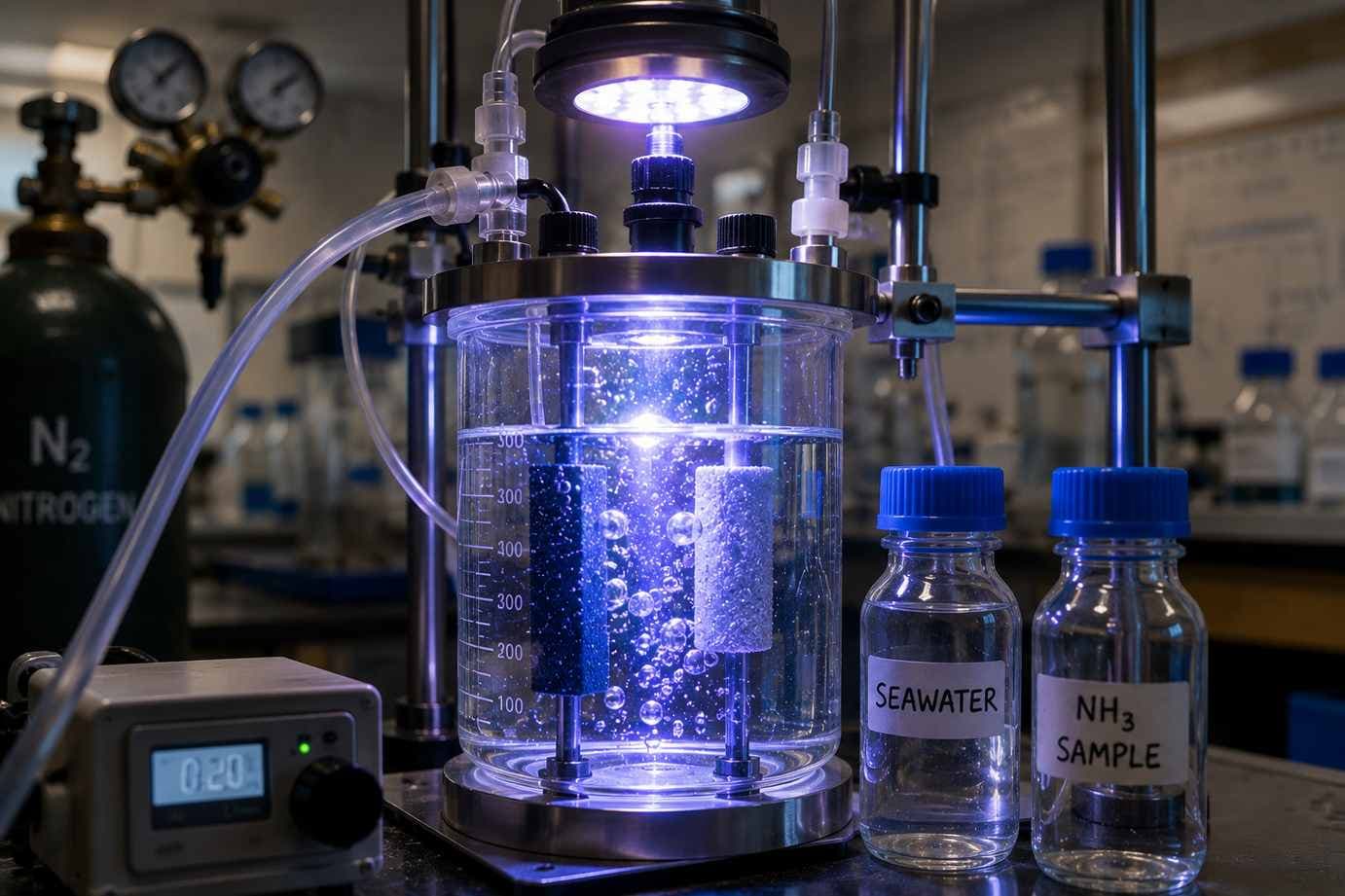
Scientists Made Ammonia From Nitrogen and Water Using Light — Even Seawater Worked

Science

Scientists Made Ammonia From Nitrogen and Water Using Light — Even Seawater Worked

Researchers demonstrated a room-temperature, light-driven method for converting nitrogen into ammonia using water as hydrogen, including unpurified natural seawater and ambient air. The peer-reviewed study reports measurable quantum yields but relies on UV-C irradiation, making it a proof of chemistry rather than an industrial replacement for Haber–Bosch ammonia production. Major questions about energy use, scaling and durability remain.

Aug 25, 2026•28 views today
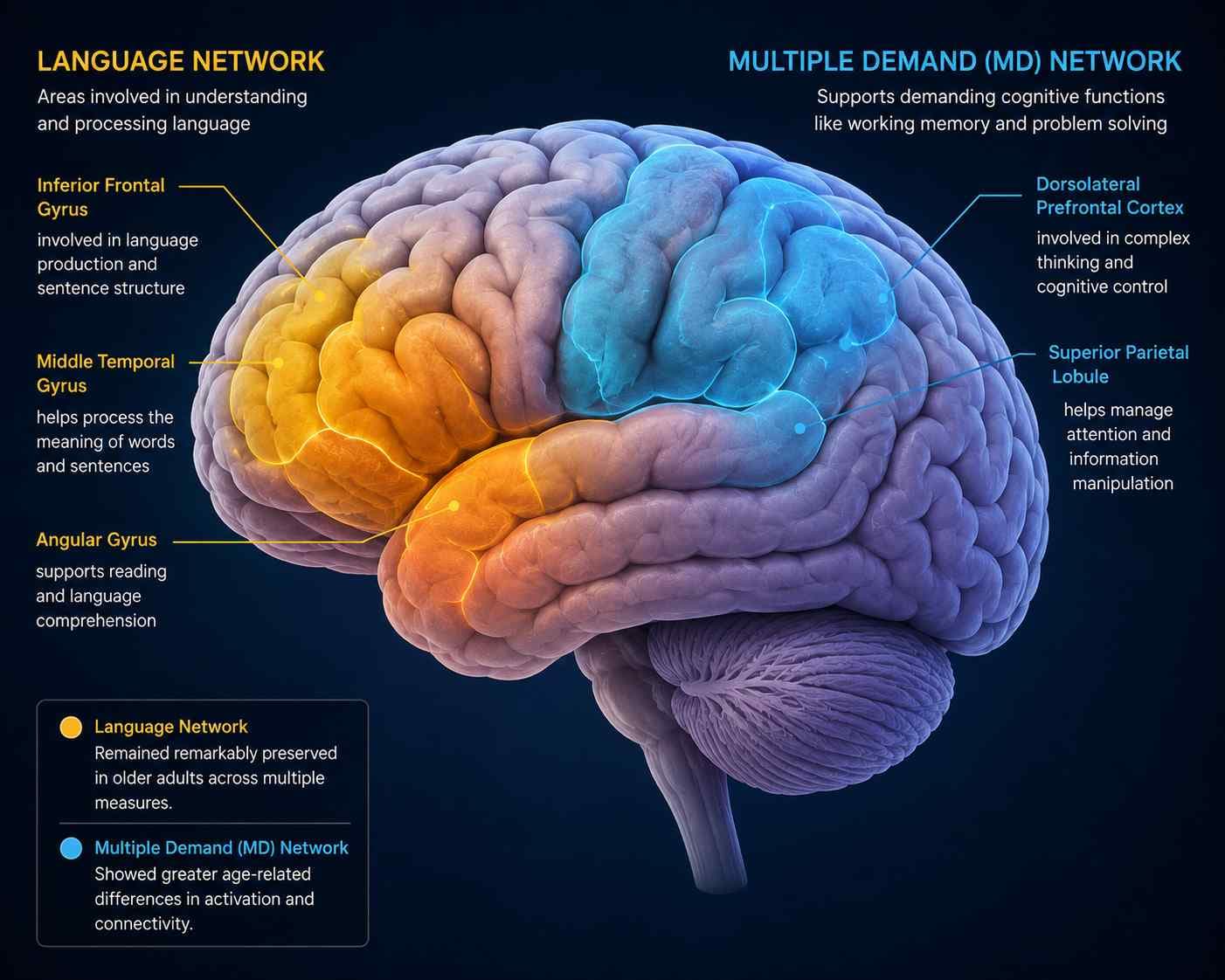
Your Brain Doesn't Age All at Once: Scientists Find the Language Network Remarkably Preserved

Science

Your Brain Doesn't Age All at Once: Scientists Find the Language Network Remarkably Preserved

A new brain-imaging study reveals a striking difference in how cognitive networks relate to aging. While a system involved in demanding mental tasks showed several age-related changes, the brain's specialized language network remained remarkably stable across multiple measures. The findings suggest the brain may not age uniformly—and raise a fascinating question about why some neural systems appear more resilient over time.

Aug 24, 2026•36 views today