
Key Takeaways
- The ASEAN–Canada trade deal is expected to add nearly $2 billion to Canada's GDP and create nearly 14,000 jobs
- ASEAN negotiations reached a substantial conclusion and Philippines negotiations concluded, with signing targeted for 2027
- Canada will host the 2028 Sommet de la Francophonie, and the Agricultural Bank of China was approved to open a full-service branch in Canada
Nearly 700 million consumers — and a $2 billion prize
Nearly $2 billion in additional GDP. Nearly 14,000 Canadian jobs. And a potential signing date of 2027.
That's the economic prize attached to Canada's planned free trade agreement with ASEAN, according to Prime Minister Mark Carney's office as he wrapped up his APEC week in Shenzhen on Thursday.
The government's wrap-up confirms that negotiations on the ASEAN–Canada free trade agreement have reached a substantial conclusion, while negotiations on a Canada–Philippines deal have concluded.
Ottawa wants to sign both agreements in 2027.
The Philippines agreement could triple Canadian exports to that country by 2035. The ASEAN deal would open up a market of nearly 700 million people.
Carney framed the strategy as one of economic strength through international partnerships.
"Sovereignty is built on strength at home and diverse partnerships abroad," Carney said. "Canada is now the best-connected economy in the world."
China, Vancouver and a Francophonie summit also made the list
The trade agreements weren't the only announcements in the wrap-up.
Canada confirmed it will host the 2028 Sommet de la Francophonie in the National Capital Region, bringing delegates from more than 90 states and governments.
The government also approved the Agricultural Bank of China to open a full-service branch in Canada this week.
Back home, Carney highlighted plans to fast-track major projects, double the capacity of the Port of Vancouver, and introduce new digital trade legislation through the Canada Strong Act.
Put the trade deals together with Canada's existing agreements, and the country now counts 20 free trade agreements across 60 countries, covering more than 2 billion consumers.
The Twikup Take
The speeches were about direction. The numbers are about what Canada could actually gain.
Nearly $2 billion in GDP, nearly 14,000 jobs and a 2027 signing target give exporters and Parliament something concrete to measure Ottawa against.
But reaching a substantial conclusion isn't the finish line. The real test is whether both agreements become signed, ratified deals on schedule.
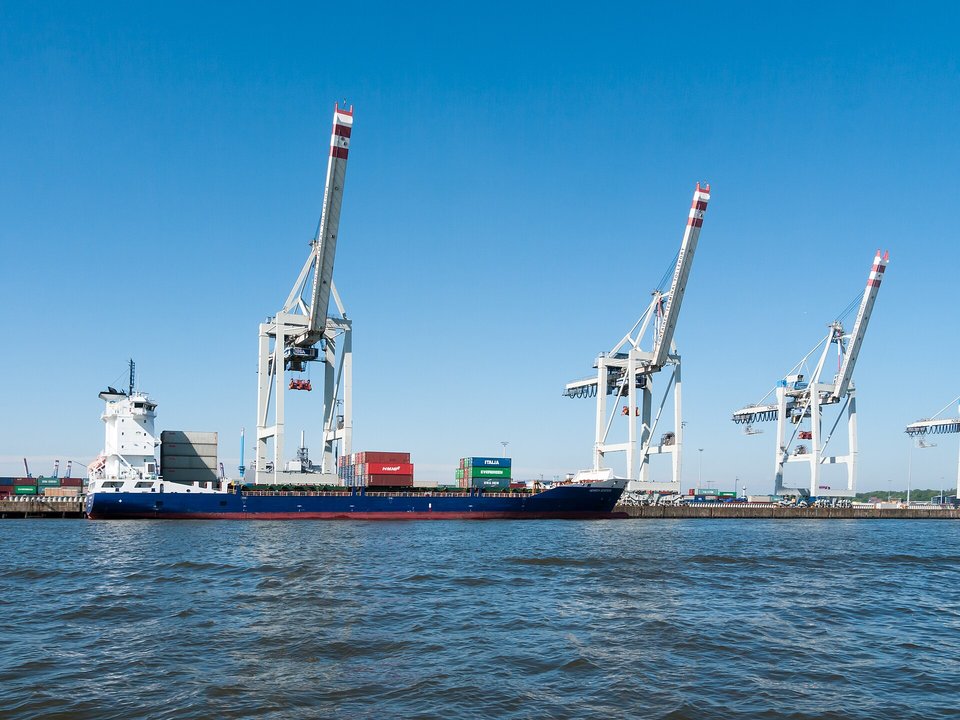
Image: Container ship loading at Container Terminal Tollerort, Hamburg, by Matti Blume, CC BY-SA 4.0, via Wikimedia Commons.