
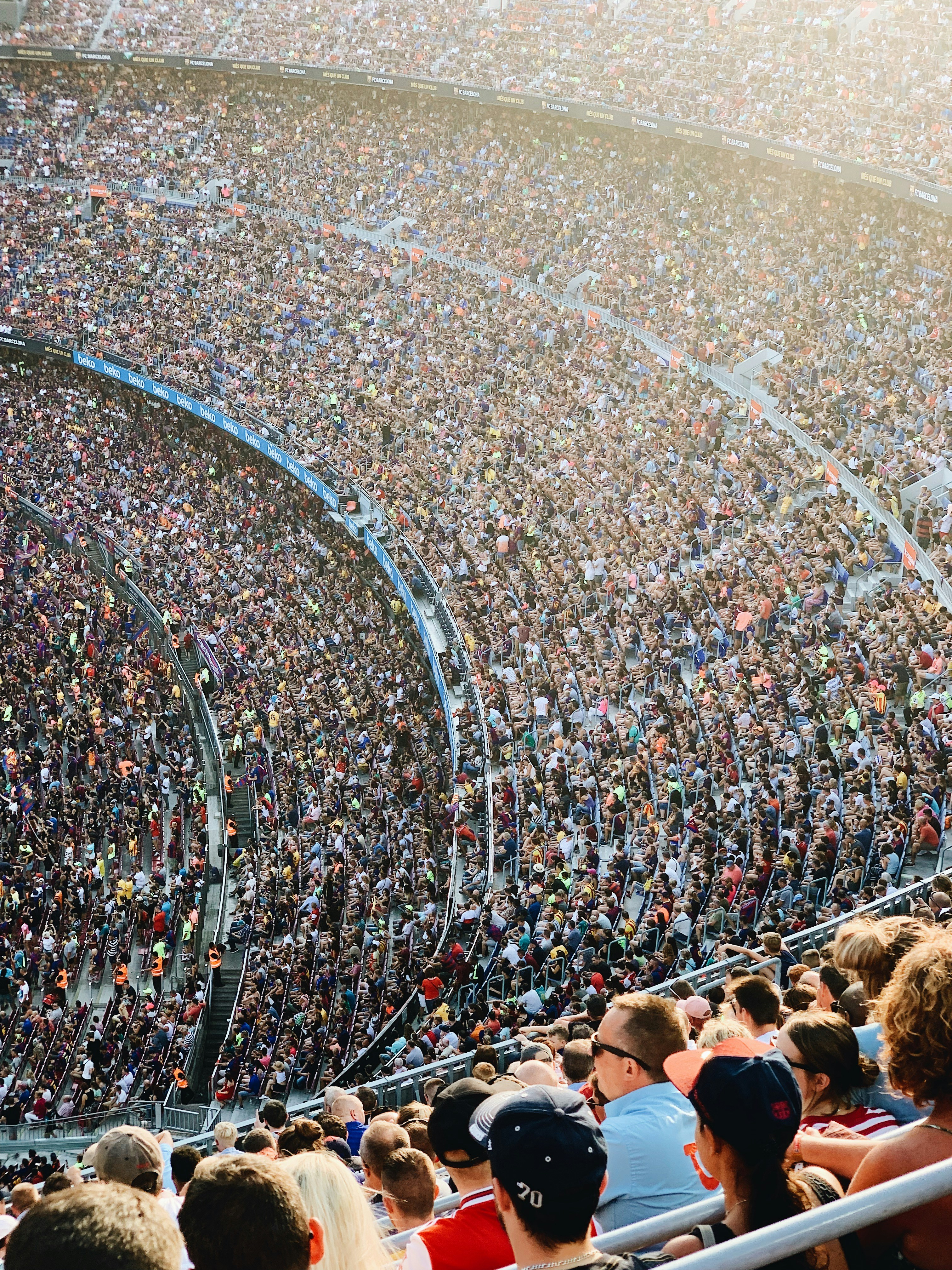
The FIFA World Cup 2026 is now underway in Toronto, marking the city’s entry into one of the largest sporting events ever staged across North America. The tournament, co-hosted by Canada, the United States, and Mexico, runs from June 11 to July 19, 2026, and features 48 teams competing across 16 host cities.
For Toronto, the event represents more than sport. It is a sustained operational shift involving transport systems, security coordination, tourism pressure, and large-scale urban logistics across multiple weeks of match activity at BMO Field, temporarily branded as “Toronto Stadium” for FIFA requirements.
Toronto’s Role in a Continental Tournament
Toronto is one of Canada’s key host cities and will stage multiple World Cup matches, including both group-stage and knockout fixtures. The stadium has undergone temporary capacity expansion and infrastructure adjustments to meet FIFA standards.
Key structural points:
- Toronto is scheduled to host 6 World Cup matches
- Matches are distributed across June and July 2026
- BMO Field operates under the FIFA-neutral name “Toronto Stadium”
- Temporary seating expansions increase stadium capacity for tournament requirements
This positions Toronto within a tightly coordinated tri-country tournament system designed to operate across multiple time zones and urban environments simultaneously.
Urban Systems Under Event Pressure
Unlike regular sporting fixtures, the World Cup functions as a sustained pressure test on city infrastructure. The impact extends far beyond the stadium footprint into transport, policing, and public mobility systems.
Core operational adjustments include:
- Increased transit coordination on match days
- Traffic restrictions and controlled access zones near stadium areas
- Structured crowd movement planning across Exhibition Place corridors
- Multi-agency coordination for security and emergency preparedness
City planning emphasizes early arrival strategies and public transit reliance due to limited parking availability and high-density movement zones.
Economic and Mobility Impact Layer
Large-scale international tournaments produce concentrated economic activity alongside temporary structural pressure on urban systems.
In Toronto’s case, the expected effects include:
- Short-term tourism surges during match periods
- Increased demand for accommodation and local services
- Temporary congestion in transport and hospitality systems
- Event-driven employment across logistics and operations sectors
The impact is unevenly distributed across time, with sharp demand spikes aligned to match schedules rather than steady activity.
Security and Preparedness Framework
Given the scale of international attendance, Toronto’s preparations include coordinated safety and health systems designed for high-density crowds.
These include:
- Emergency response planning for large public gatherings
- Crowd safety and stadium perimeter management
- Public health monitoring and contingency planning
- Coordination between municipal, provincial, and federal agencies
The objective is to manage sustained event pressure without disrupting baseline city functions.
FAQ: FIFA World Cup 2026 in Toronto
How many matches will Toronto host?
Toronto is scheduled to host six official FIFA World Cup matches, including group-stage and knockout fixtures.
Where will matches be played?
All matches will take place at BMO Field, temporarily renamed “Toronto Stadium” for FIFA branding rules.
When does Toronto’s World Cup schedule begin?
Match activity begins in June 2026, continuing through the tournament window into July.
Why does the stadium have a different name?
FIFA removes commercial naming rights during tournaments to maintain neutral venue branding.
How large is the 2026 World Cup?
It is the largest World Cup in history, featuring 48 teams and 104 matches across three host nations.
Will there be travel disruption in Toronto?
Yes. Expect road closures, transit crowding, and restricted access zones near match venues on game days.
How is the city managing crowd movement?
Authorities are coordinating transit planning, crowd control systems, and security deployments around stadium zones.
Will tourism increase during the tournament?
Yes. Short-term tourism spikes are expected, especially around match dates, affecting hotels and local transport demand.
Is this Canada’s first men’s World Cup hosting role?
Yes. This is the first time Canada is co-hosting the men’s FIFA World Cup.
Why is this event significant for Toronto?
It places Toronto within a global-scale sporting infrastructure system, testing its urban logistics under sustained international demand.
Related Perspectives
FIFA World Cup 2026 Expansion Model
Urban Infrastructure and Mega Events
Sports Tourism and City Economics