
Key Takeaways
- Bill 40, the Electoral Divisions Act, would replace Alberta's electoral boundaries with new ones approved by a resolution of the Legislative Assembly.
- An independent advisory panel was tasked with drawing 91 electoral divisions, restoring two rural seats that an earlier proposed redistribution had removed.
- If passed, the new boundaries take effect when the writ is issued for the next provincial election, scheduled for October 18, 2027.
Who Gets to Draw Alberta's Political Map?
Imagine legislators voting on the boundaries of the very electoral ridings they will compete in.
That's the question now facing Alberta.
The government has tabled Bill 40, the Electoral Divisions Act, which would replace the province's electoral boundaries with new ones approved directly by a resolution of the Legislative Assembly.
The proposed map would divide Alberta into 91 electoral divisions. But getting there took several steps.
An independent advisory panel was tasked with designing the boundaries while respecting the Charter's guarantee of effective representation and considering population, communities of interest, geography and transportation links.
In spring 2026, Justice Dallas Miller recommended increasing the proposed map from 89 divisions to 91, restoring two rural seats that the Electoral Boundaries Commission's proposed redistribution had removed.
The Assembly's Select Special Committee on Electoral Boundaries reviewed the panel's report and submitted it to the Legislative Assembly on November 2.
The boundaries were last reviewed in 2016-17.
What Happens Next?
If the new boundaries are passed in legislation, they take effect when the writ is issued for the next provincial general election, scheduled for October 18, 2027.
Justice Minister Mickey Amery says Alberta's changing population makes updated boundaries necessary.
"Alberta is growing and changing, and our electoral boundaries must keep pace," said Justice Minister Mickey Amery. "No matter where Albertans live, in Calgary or Edmonton, a smaller city, a town or a rural community, they deserve fair and effective representation in the legislature."
Amery said it is time for legislators to debate the proposed boundaries and give Albertans clarity about how they will be represented in 2027.
The Twikup Take
Here's where things get politically interesting.
The unusual part isn't the 91 seats. It's who gets the final say.
Instead of an independent commission's binding result, the final map would go to a vote of the Legislative Assembly itself.
That gives the opposition an obvious fairness argument: politicians would be voting on the electoral boundaries that shape their own political futures.
And every close riding on the new map could face two battles — one in the legislature, another at the ballot box.
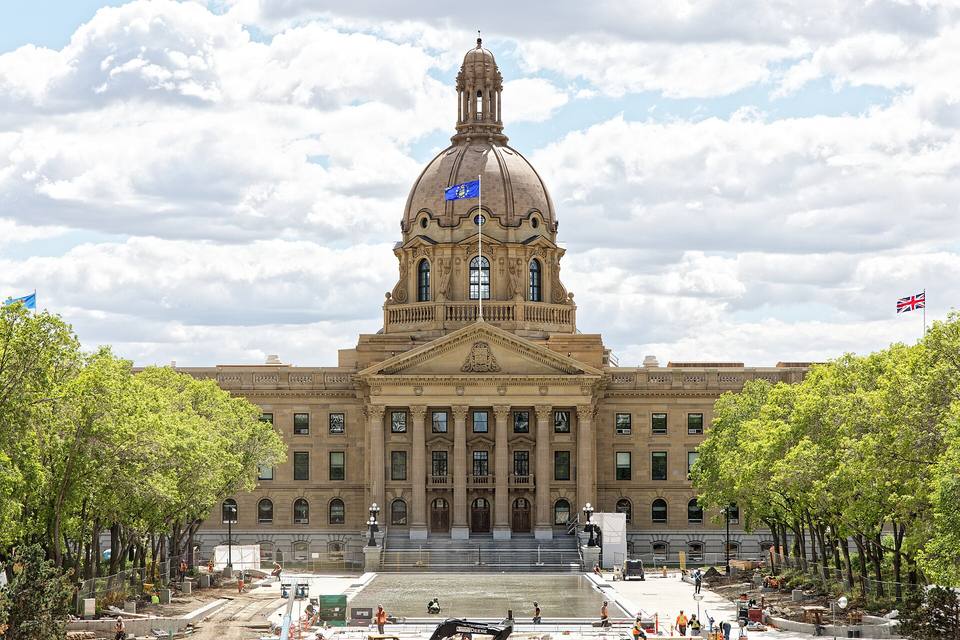
Image: The Alberta Legislature Building in Edmonton. Photo by D. Benjamin Miller, CC0.