
Key Takeaways
- A one-time 2027 Canada Groceries and Essentials Benefit Supplement would pay up to $339 for a single person and $679 for a couple with two children, reaching over 12 million people
- The top-up equals a 50% increase in the 2026-27 benefit and is expected to lift an additional 120,000 people out of poverty.
- The ban on foreign purchases of existing homes would be extended two years to January 1, 2029, with a process coming to exempt new builds.
A One-Time Boost Worth Up to $679
Ottawa is putting up to $679 back into the pockets of low- and modest-income Canadians — and giving homebuyers two more years of protection from foreign buyers.
The federal government has tabled Budget 2026 legislation that would deliver a one-time boost through the 2027 Canada Groceries and Essentials Benefit Supplement.
For a single person without children, the supplement is worth up to $339. For a couple with two children, it's worth up to $679.
The supplement is a 50% increase on the 2026-27 benefit, would reach more than 12 million individuals and families, and would be delivered in early 2027. It costs $4.1 billion and is expected to lift an additional 120,000 people out of poverty next year.
That one-time payment comes on top of other support already in place. Combined with the June 2026 top-up and the 25% benefit increase that took effect in July 2026, total support in 2026-27 reaches up to about $1,290 for a single person and $2,570 for a couple with two children. For the full breakdown, see TwikUp's guide to what the Canada Groceries Benefit will actually pay in 2026-27.
Two More Years for the Foreign-Buyer Ban
The same legislation would extend the ban on foreign purchases of existing residential properties by two years, to January 1, 2029.
The ban has been in force since January 1, 2023, and was set to expire. TwikUp previously covered what the ban's 2027 end would have meant for home buyers.
But Ottawa is drawing a clear line between existing homes and new construction.
The government says it will launch a regulatory process shortly to exempt new residential properties, steering foreign money toward building homes instead of buying existing ones — the same approach Australia uses.
"We're taking action to put more money back in Canadians' pockets, protect opportunities for Canadians to own a home, and encourage new investment to build more homes," Finance Minister François-Philippe Champagne said.
The Twikup Take
A one-time payment helps with one season of grocery bills, not with grocery prices. Ottawa is buying relief, not lowering costs.
The housing half is the more durable move. Two more years of the ban, with the new-build exemption, quietly admits the original ban also blocked money that builds supply.
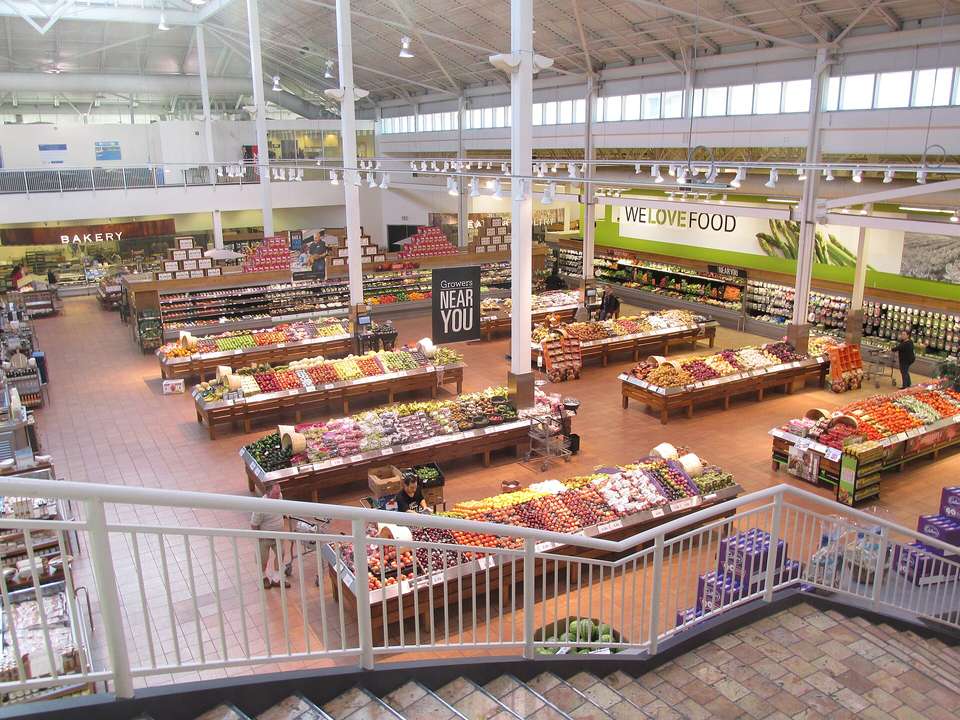
Image: Inside a Loblaws supermarket in Toronto. Photo by PvOberstein, CC0.